Some items need a separate plan
Specialty moving for delicate and unusual items in Toronto
Specialty moving starts with details that a household inventory might miss, such as an old repair on a mirror frame or the weight of a piano. Tell us what makes the item different: its size, construction, condition or value. The proposed handling and available service must be confirmed for the specific request.
Describe the reason for specialist assessment
“Specialty” is a starting point, not a promise of a particular capability. Identify whether the concern is weight, fragility, dimensions, finish, age, value or access. Several factors may apply to the same item, and each can change the preparation needed.
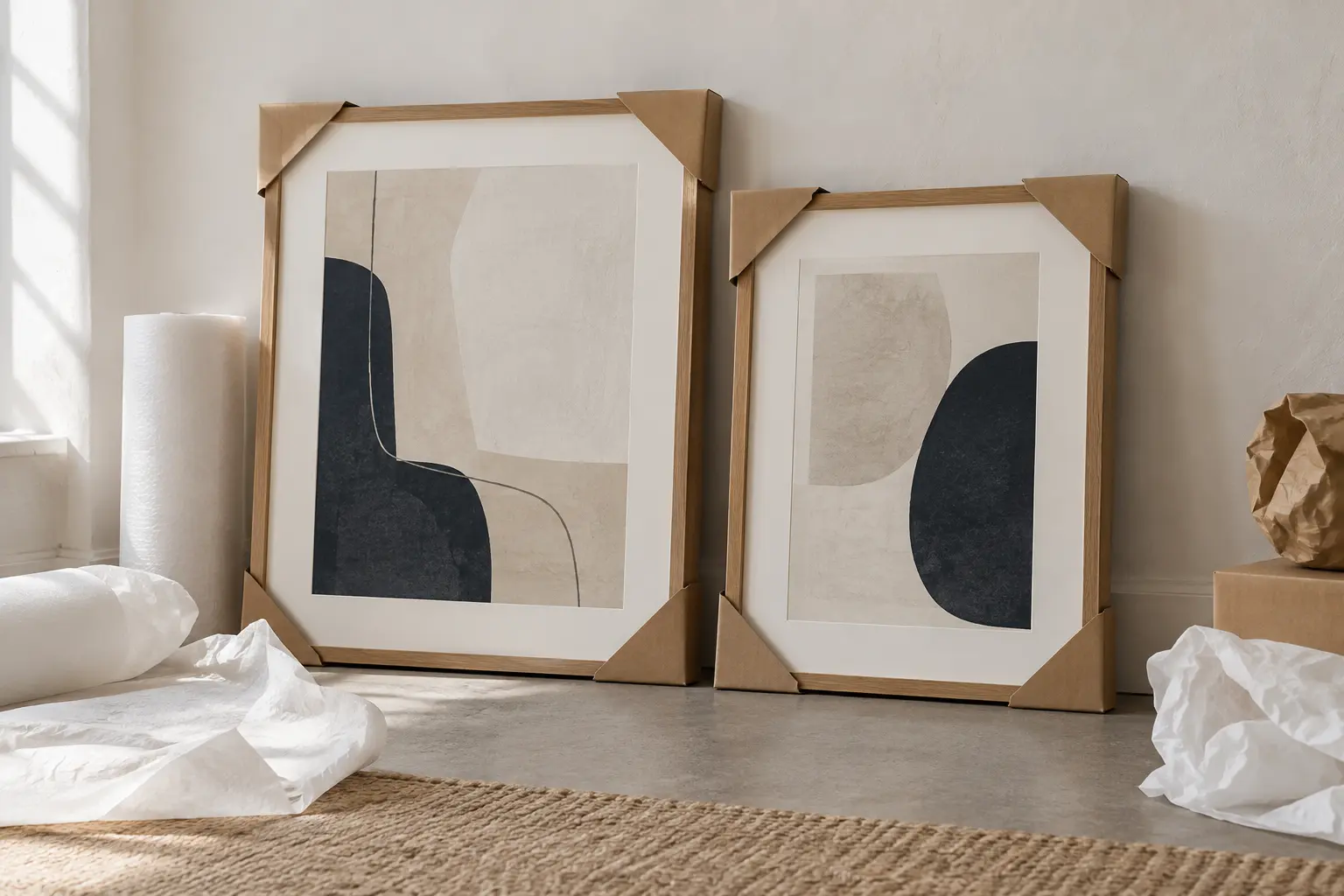
Use a concrete description rather than only a category name. A small framed print and a large glazed artwork raise different questions. A compact upright piano and a grand require different information. The closer the description is to the actual object, the more useful the initial assessment can be.
Gather measurements for oversized item moving
For a specialty moving assessment, record the item’s dimensions and any reliable weight information from its manufacturer or documentation. Note materials, removable parts, existing damage, repairs and areas that should not bear pressure. Photographs may help during follow-up if requested through an agreed channel.
Do not guess at weight or hide an uncertain condition to simplify the request. Tell us which details are known and which need assessment. For valuable objects, retain ownership, valuation or condition records privately and ask what documentation is relevant to our coverage and handling process.
Check the route for heavy item transport
Follow the item from its current position to the loading point, then from the delivery point to its final location. Note doors, steps, stairs, landings, elevators, gradients and tight turns. The narrowest or most awkward point may be far from the entrance.
Explain whether the item was assembled in place or arrived by an unusual route. Do not assume that hoisting, balcony access, door removal or other alterations are available. Such methods need separate assessment, permissions and confirmation of our capability before they can become part of a plan.
What protection does specialty moving require?
Ask whether the object needs wrapping, dedicated packaging, a crate or another preparation method. The right approach depends on the item and the journey, including any storage or repeated handling. Packing materials alone do not establish that the handling plan is suitable.
Identify who prepares the object and who checks it before collection. If a conservator, technician or manufacturer has instructions, share the relevant requirements. We must confirm that we can follow them. Do not assume a general move includes specialist packing, custom crating or dismantling.
Define the final result
State whether the request ends at delivery, placement in a room, accepted assembly or another specific task. Hanging artwork, tuning a piano, installing equipment and connecting appliances are different services. They should not be inferred from careful transport.
Think about the destination before booking. Measure the final location and identify surfaces or access that need protection. If an item cannot fit where intended, agree how that exception would be handled. An improvised alternate position may not be appropriate for a fragile or unusually heavy piece.
Ask about coverage for valuable items
Tell us about valuable or unusual items before the estimate is prepared. Ask what coverage applies, what limits or exclusions matter, what condition records are required and how a concern must be reported. Do not assume ordinary household arrangements provide a particular protection level.
Review the written estimate for the accepted item, preparation, equipment, route and final placement. Confirm how changes to access or condition affect the scope. When several specialists are involved, identify each handover so packing, transport and installation do not leave an unassigned responsibility between them.
From request to a confirmed plan
Choose “Large furniture or specialty items” in the form. During follow-up, identify the object, its dimensions and condition, both access routes and the requested final placement. The specific service and our capability require assessment before any booking.
We review your enquiry and assess the work before confirming availability, scope, price and booking terms. The enquiry form starts that process; it does not reserve a service. Before booking, keep our written estimate and make sure it reflects the work you have discussed with us.
Good questions to ask
Can every unusual item be accepted for specialty moving?
No. The item, access, required equipment and our capability must be assessed. Some requests may require specialists or methods that are not available.
Should I send photographs with the initial form?
The form has no upload field. Have useful photographs and measurements ready for follow-up and share them through an agreed method if requested.
Are installation and setup included?
Only specific accepted tasks listed in our agreement are included. Transport does not automatically cover hanging, tuning, trade connections or specialist installation.
Tell us what’s moving.
Start with the short quote form. We’ll review your request and follow up about the details, availability and an estimate.