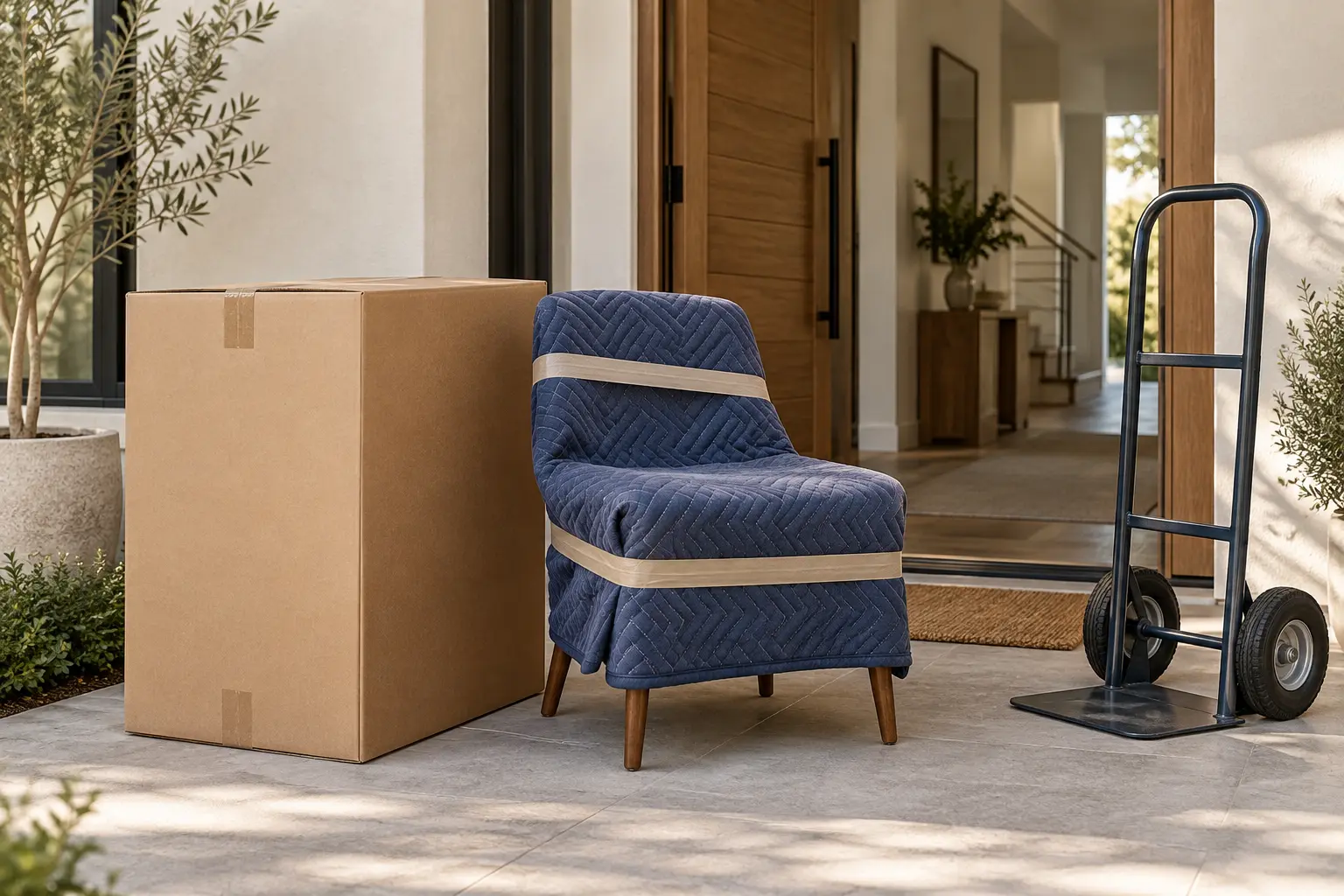
GTA business deliveries
Last-mile delivery for Toronto retailers and businesses
Last-mile delivery begins when goods are released for collection and ends at the handover you agree with the recipient. Tell us about the shipments, locations and service level you need so a GTA delivery request can be assessed.
Describe the delivery pattern
Explain whether the request is for one order, an occasional need or a proposed recurring arrangement. Provide the collection area, destination areas, typical shipment dimensions and known weights. Include order volume and frequency as planning information, without assuming that capacity is available.
Identify the type of goods and any restrictions, sensitivity or special handling. A general delivery enquiry does not establish capability for temperature-controlled, dangerous, unusually heavy or otherwise specialist cargo. We must assess and accept the actual goods, route and operating requirements.
Decide whether you need doorstep delivery or placement inside
State where delivery should finish: a building entrance, doorstep, receiving area or specified room. Explain whether unpacking, placement, assembly or packaging removal is requested. Each task changes the work and should be separately accepted.
Avoid relying on broad labels such as premium or white glove without defining their meaning. A customer expecting upstairs placement will experience a doorstep delivery very differently. Your order information, customer communication and agreement with us should describe the same result so the handover does not depend on interpretation.
Confirm retail order pickup details
Describe the pickup location, loading facilities, goods readiness and contact who can release the shipment. Explain how orders are identified and whether packaging is complete. Confirm who checks item counts and records visible damage or packaging concerns before departure.
If collection involves a warehouse, provide dock access, vehicle limits and any required appointment. Do not assume we will pick stock, pack orders or reconcile your inventory system unless those tasks are expressly agreed. Separate the transport handoff from the fulfilment work that comes before it.
Confirm destination access and appointments
Identify the recipient, building type, access restrictions and any elevator or loading reservation required. For room placement, obtain the dimensions and route information needed for large items. Explain who is responsible for making the appointment and checking that the customer is ready to receive.
Ask us whether we can support the requested appointment arrangement and how updates are communicated. No fixed window, same-day capacity or recurring service commitment is promised here. An accepted order needs a workable destination plan, not only a postal code and a preferred time.
Define proof of delivery and the handover record
For last-mile delivery, agree how the customer will sign for the goods and what record your business needs. Discuss what should be recorded if packaging is damaged, an item is refused or the customer reports a concern. Use only the personal information necessary for the delivery and agreed record.
Set an exception process for unavailable recipients, unsuitable access, incorrect addresses and goods that cannot be placed as planned. Confirm who can authorize a return, alternative location or additional work. Do not assume we will leave goods unattended or absorb a second attempt without explicit terms.
What belongs in a last-mile delivery estimate?
Ask how we price collection, transport, stops, waiting, placement and any additional tasks. Confirm booking lead times, change procedures, cancellation, returns and the limits of accepted goods. If recurring work is proposed, establish capacity and terms before promising it to customers.
Keep responsibility for the sale, product information and customer promises clear within your business. Transport does not determine warranty, return eligibility or product quality. A useful delivery agreement connects those responsibilities through a precise handoff while leaving each party’s obligations understandable.
From request to a confirmed plan
Choose “Large furniture or specialty items” or the closest business category in the form. During follow-up, identify the request as GTA last-mile delivery and provide shipment, frequency, receiving and service-level details. We must confirm the proposed work and our availability.
We review your enquiry and assess the work before confirming availability, scope, price and booking terms. The enquiry form starts that process; it does not reserve a service. Before booking, keep our written estimate and make sure it reflects the work you have discussed with us.
Good questions to ask
Can a business arrange recurring last-mile delivery?
You can submit the requirement for assessment. Frequency, volume, routes and service levels need an accepted agreement; no standing capacity is promised by the enquiry form.
Does delivery include assembly or packaging removal?
Only when those tasks are explicitly assessed and accepted. Define the items, assembly requirements and materials to be removed before confirming the service.
What happens if the customer is unavailable?
Agree an exception process with us in advance, including contact attempts, waiting, return or redelivery authority and any charges. Do not assume unattended delivery is permitted.
Tell us what’s moving.
Start with the short quote form. We’ll review your request and follow up about the details, availability and an estimate.